

Automation in modern buildings is no longer a luxury — it is a necessity. From automatic entrance doors to intelligent vehicle scanning systems, today’s infrastructure demands smart, secure, and efficient entry management solutions.
With growing concerns around safety, hygiene, traffic management, and operational efficiency, automated systems are transforming residential, commercial, healthcare, and industrial spaces across India.
In this blog, we explore how building automation — especially in entry and security systems — is redefining modern infrastructure.
Why Automation Is Becoming Essential in Indian Buildings
Modern projects today require:
- Touch-free access
- Controlled entry
- Real-time monitoring
- Integrated security systems
- Compliance with safety standards
From gated societies in Mumbai to industrial warehouses in Nagpur, developers are increasingly investing in automated systems to enhance safety and efficiency.
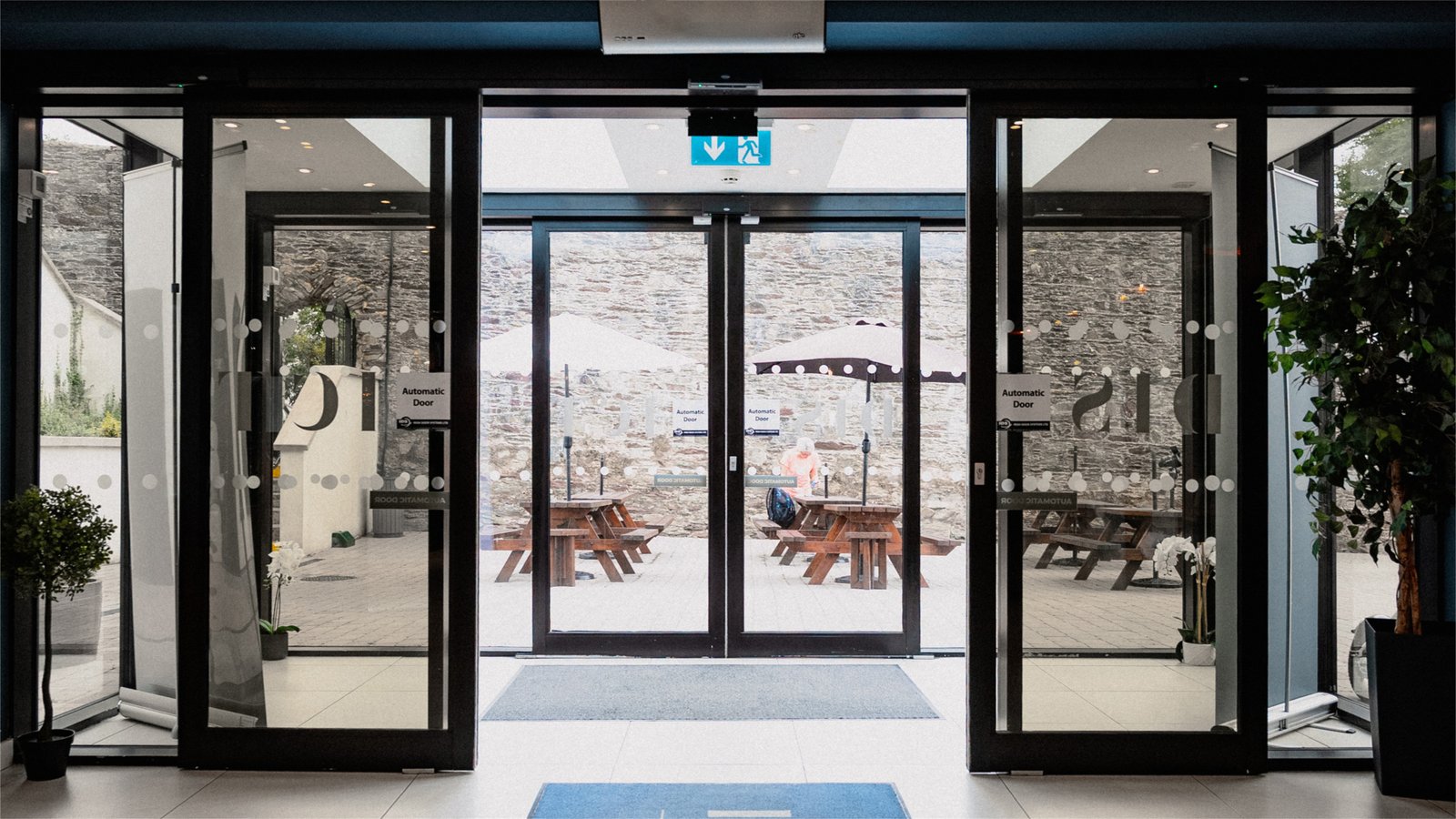
1️⃣ Automatic Doors: The First Step Toward Smart Entry
Automatic doors are now standard in:
- Hospitals
- IT parks
- Hotels
- Shopping malls
- Premium residential lobbies
Benefits of Automatic Doors
✔ Touch-free access (important for hygiene)
✔ Smooth traffic management
✔ Energy efficiency (closes automatically)
✔ Professional & premium appearance
✔ Accessibility compliance
In healthcare facilities, automatic doors reduce contamination risks. In commercial buildings, they improve visitor flow and create a sophisticated first impression.
2️⃣ Automatic Number Plate Recognition (ANPR)
Automatic Number Plate Recognition systems use advanced cameras and software to:
- Capture vehicle number plates
- Verify authorized access
- Log entry & exit times
- Integrate with boom barriers
Where ANPR Is Used
- Gated communities
- Corporate offices
- Industrial plants
- Government buildings
- Logistics hubs
This system eliminates manual entry logs and reduces security manpower dependency while increasing accuracy.
3️⃣ Underbody Vehicle Scanning Systems (UVSS)
Underbody scanning systems are used in high-security zones to:
- Detect suspicious objects
- Scan vehicle undercarriage
- Prevent security threats
Ideal For:
- Airports
- Government facilities
- Ports
- Industrial plants
- High-profile commercial buildings
With rising security concerns, underbody scanning adds a critical layer of protection.
4️⃣ X-Ray Baggage Scanning Systems
X-ray baggage scanners are widely used in:
- Corporate offices
- Malls
- Hotels
- Hospitals
- Educational institutions
They help in:
✔ Screening bags & packages
✔ Preventing prohibited items
✔ Enhancing visitor safety
Modern buildings now combine automated doors with baggage screening for comprehensive security.
5️⃣ Integration with Fire & Safety Systems
Automation works best when integrated with fire safety infrastructure.
For example:
- Automatic doors linked to fire alarm systems
- Doors that unlock during emergency evacuation
- Smoke detection integration
- Controlled compartment access
When combined with fire-rated doors and compartmentalization, automation enhances both active and passive fire protection strategies.
6️⃣ Benefits of Automation for Different Sectors
Residential Projects
- Smart access control
- Vehicle management
- Enhanced safety
- Premium positioning
Hospitals
- Touch-free operation
- Controlled sterile zones
- Efficient emergency access
Commercial & IT Parks
- Visitor tracking
- Reduced manual security processes
- Professional infrastructure image
Industrial Facilities
- Controlled vehicle entry
- High security compliance
- Reduced operational risk
7️⃣ ROI of Building Automation
Many developers hesitate due to initial cost. However, automation offers:
- Reduced manpower cost
- Lower security errors
- Better compliance
- Higher property value
- Improved tenant satisfaction
Over time, automation pays for itself through operational efficiency and enhanced asset value.
8️⃣ Smart Buildings: The Future of Infrastructure
Modern buildings are moving toward:
- IoT integration
- Centralized monitoring systems
- AI-based surveillance
- Remote access control
- Data-driven traffic analysis
Entry automation is the foundation of smart building ecosystems.
9️⃣ Common Mistakes in Automation Planning
❌ Installing standalone systems without integration
❌ Ignoring future scalability
❌ Compromising on quality hardware
❌ Poor installation & calibration
❌ Not integrating with fire safety protocols
Proper planning ensures long-term performance.
🔟 How to Choose the Right Automation Partner
Before selecting an automation provider, consider:
- Experience in commercial & industrial projects
- Compliance with safety standards
- Integration capability
- Service & maintenance support
- Customization options
Automation is not just about equipment — it is about system design, installation precision, and long-term reliability.
Conclusion
Automation in modern buildings is reshaping how people enter, move, and secure spaces. From automatic doors to advanced vehicle scanning systems, intelligent security solutions are now central to safe and efficient infrastructure.
For residential towers, hospitals, IT parks, and industrial plants, investing in automation is investing in:
✔ Safety
✔ Efficiency
✔ Compliance
✔ Future-readiness
Smart entry systems are no longer optional — they are the backbone of modern infrastructure.
FAQs
1. What are the benefits of automatic doors in commercial buildings?
They provide touch-free access, energy efficiency, better traffic flow, and a professional appearance.
2. How does Automatic Number Plate Recognition work?
ANPR systems use cameras and software to capture and verify vehicle license plates for access control.
3. Are underbody vehicle scanners necessary for residential projects?
They are typically used in high-security zones but can be considered for premium gated communities.
4. Can automation systems integrate with fire alarms?
Yes, modern systems can be integrated with fire safety systems for emergency unlocking and safe evacuation.
5. Is building automation expensive?
While the initial cost may be higher, long-term operational savings and improved security justify the investment.