
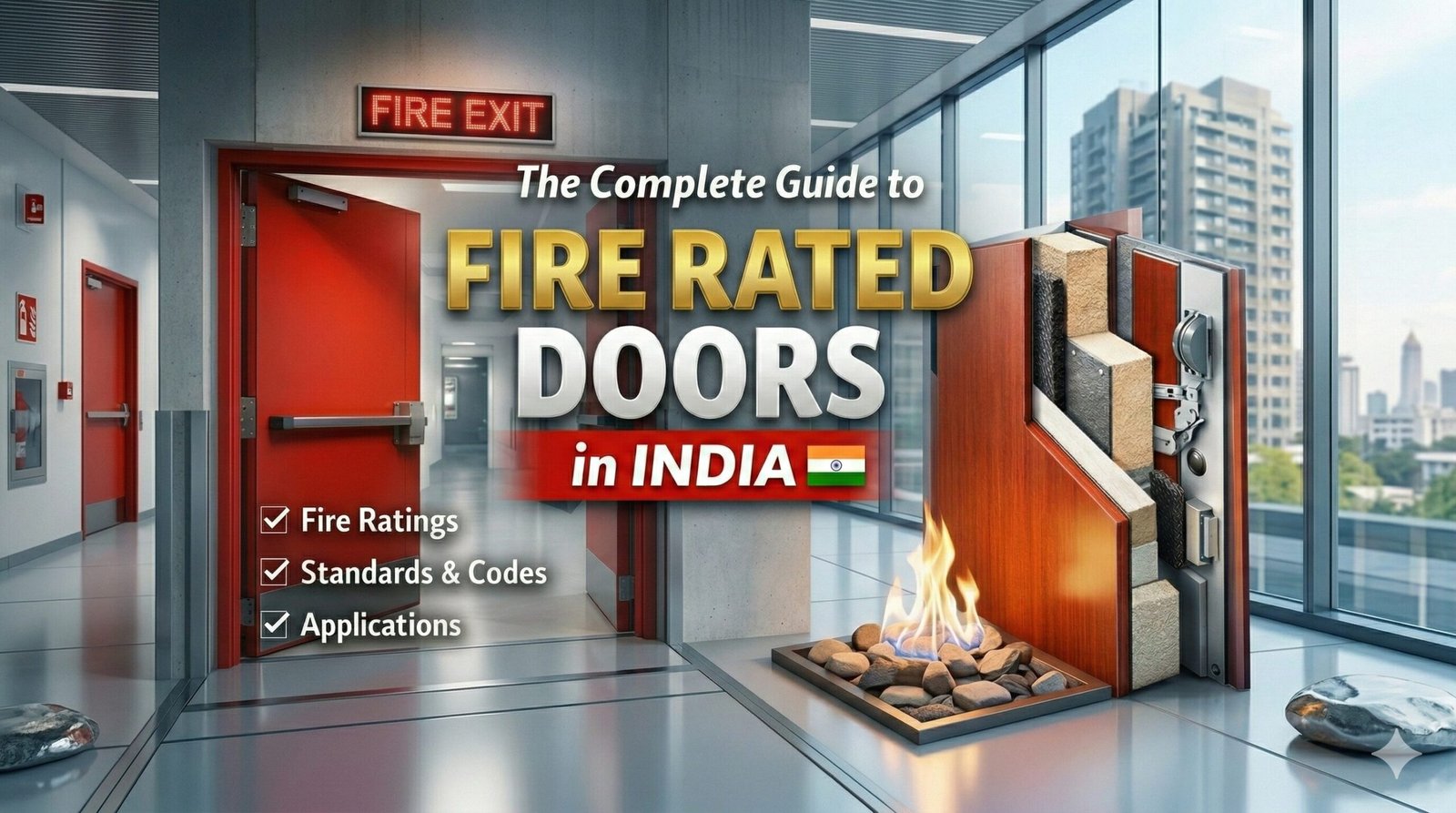

Fire rated doors in India are no longer optional upgrades — they are critical life-safety components in modern buildings. Whether it is a residential tower in Mumbai, a hospital in Navi Mumbai, or an industrial plant in Pune, properly certified fire doors can prevent catastrophic damage, save lives, and protect structural integrity.
In this complete guide, we explain everything about fire rated doors in India — standards, fire ratings, applications, testing, and how to choose the right door for your project.
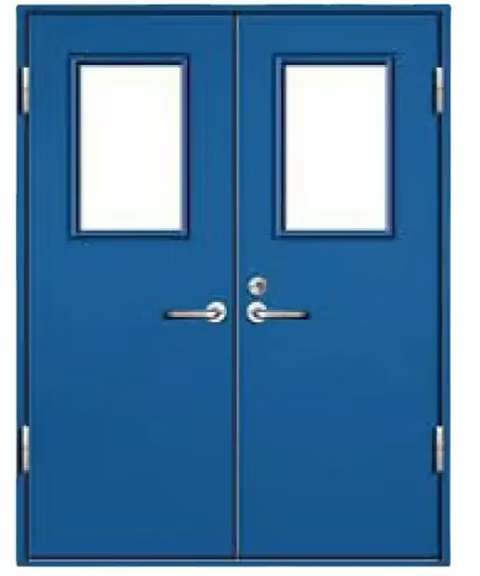
What Is a Fire Rated Door?
A fire rated door is a specially engineered door assembly designed to:
- Contain fire within a compartment
- Prevent spread of smoke
- Maintain structural stability
- Provide safe evacuation time
- Protect escape routes
A fire door is not just a metal sheet. It is a complete tested assembly, including:
- Door frame
- Door leaf
- Insulation core
- Smoke seals
- Intumescent strips
- Certified hardware
- Glazing (if applicable)
When installed correctly, it acts as a passive fire protection system.
Why Fire Rated Doors Are Critical in Indian Buildings
In most fire incidents, smoke kills before flames do. A properly installed fire door:
- Limits temperature rise on the protected side (ideally below 140°C)
- Slows structural failure (steel weakens around 550°C)
- Keeps evacuation routes usable
- Protects adjoining compartments
Modern building codes and fire NOCs increasingly mandate certified fire door installations in:
- High-rise apartments
- Hospitals
- Schools
- Industrial plants
- Commercial complexes
- Warehouses
- IT parks
Understanding Fire Ratings (30, 60, 90, 120, 180 Minutes)
Fire rated doors are classified based on how long they can withstand fire under testing conditions.
| Fire Rating | Application |
|---|---|
| 30 Minutes | Office rooms, low-risk areas |
| 45 Minutes | Corridors, small commercial spaces |
| 60 Minutes | Apartment entrance doors |
| 90 Minutes | Staircases, escape routes |
| 120 Minutes | Industrial areas, service ducts |
| 180 Minutes | High-risk industrial & critical infrastructure |
The choice depends on:
- Building height
- Occupancy type
- Fire load
- AHJ (Authority Having Jurisdiction) requirement
Where Are Fire Rated Doors Mandatory?
Fire doors are typically required in:
1️⃣ Staircases & Escape Routes
These must remain smoke-free for safe evacuation.
2️⃣ Corridors & Cross-Corridor Partitions
To stop horizontal fire spread.
3️⃣ Hospitals & Healthcare Facilities
Especially in ICU zones, labs, and ambulatory care units.
4️⃣ Kitchens & Service Rooms
High ignition risk areas.
5️⃣ Industrial Plants & Warehouses
For compartmentalization of high fire load sections.
Types of Fire Rated Doors in India
1️⃣ Steel Fire Doors
- High durability
- Low maintenance
- Strong fire resistance
- Ideal for commercial & industrial buildings
2️⃣ Glazed Fire Rated Doors
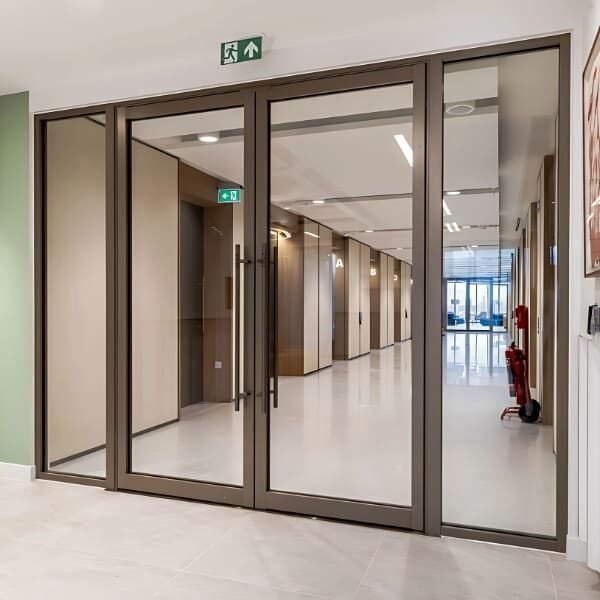
- Fire resistant glass panels
- Used in hospitals, IT offices
- Maintain visibility & aesthetics
3️⃣ Insulated vs Non-Insulated Doors
- Insulated: Controls temperature rise
- Non-insulated: Controls flame spread only
Fire Door Standards in India & International Codes
When selecting fire rated doors in India, certification matters.
Indian Standards
- IS 3614 Part 1
- IS 3614 Part 2
British Standards
- BS EN 1634-1
- BS EN 13501
- BS 476 Part 22
American Standards
- ANSI/NFPA 252
- NFPA 80
- UL 10B & UL 10C
International certifications are often preferred in high-value projects because of stricter testing protocols.
What Is Compartmentalization?
Compartmentalization divides a building into fire-resistant zones.
If a fire starts in one section:
- Fire remains contained
- Smoke spread is limited
- Structural collapse is delayed
- Evacuation remains possible
Fire rated doors are essential components in this passive fire protection strategy.
Elements of a Certified Fire Door Assembly
A fire door performs effectively only when all components are certified together:
- Fire-rated frame
- Smoke seals
- Intumescent strips (expand under heat)
- Fire-rated hinges
- Door closer
- Fire-rated glazing system
- Core insulation material
Improper hardware or untested combinations can void certification.
Common Mistakes Developers Make
❌ Installing non-certified doors
❌ Using local hardware instead of tested hardware
❌ Improper site preparation
❌ Incorrect gap clearance
❌ Ignoring smoke seals
❌ Using decorative modifications that break certification
Fire doors must be installed as per tested configuration.
How to Choose the Right Fire Rated Door
Before selecting a fire door, consider:
- Building usage
- Required fire rating
- Traffic volume
- Aesthetic requirements
- Local fire authority norms
- Third-party certifications
For example:
- A washroom door requires water resistance
- A kitchen needs higher fire rating
- A hospital needs glazed fire-rated partitions
- Staircases require 90+ minute rated steel doors
Fire Door Testing & Certification
Fire doors are tested in certified labs under controlled conditions.
Typical testing includes:
- Flame exposure
- Temperature monitoring
- Integrity check
- Insulation performance
- Smoke leakage test
Accepted testing labs internationally include:
- CBRI (India)
- Warrington (UK)
- Underwriters Laboratories (USA)
Always request test certificates before procurement.
Why Installation Matters as Much as Manufacturing
Even a certified door can fail if:
- Frame alignment is incorrect
- Anchoring is weak
- Gaps exceed permissible limits
- Seals are missing
Professional specification, manufacturing, supply & installation at one go ensures:
- Uniform performance
- Compliance with codes
- Reduced risk
Fire Rated Doors for Modern Indian Infrastructure
Today’s projects demand:
- Aesthetic integration
- Certified safety
- Long durability
- Low maintenance
- Compliance with Indian & international codes
From residential towers to hospitals and industrial plants, fire rated doors in India are now a necessity — not a luxury.
Conclusion
Fire rated doors in India play a critical role in life safety, property protection, and regulatory compliance. Understanding fire ratings, standards, and proper application ensures your building is safe, compliant, and future-ready.
Choosing the right fire door is not just about cost — it is about protecting lives.
FAQs
1. What is the difference between fire resistant and fire rated doors?
Fire rated doors are tested assemblies certified for specific time durations (30, 60, 90 minutes, etc.), whereas “fire resistant” is a general marketing term.
2. Are fire rated doors mandatory in Indian apartments?
Yes, in high-rise residential buildings, fire rated doors are mandatory for staircases and often recommended for apartment entrance doors.
3. How long does a 90-minute fire rated door actually last?
Under standard test conditions, it withstands fire exposure for 90 minutes while maintaining integrity and insulation performance.
4. Can glass be used in fire rated doors?
Yes, specially tested fire resistant glazing systems can be used within certified door assemblies.
5. How do I verify if a fire rated door is certified?
Ask for official test certificates, check compliance with IS, BS, or NFPA standards, and confirm third-party certification.